
Speech-Language Pathology
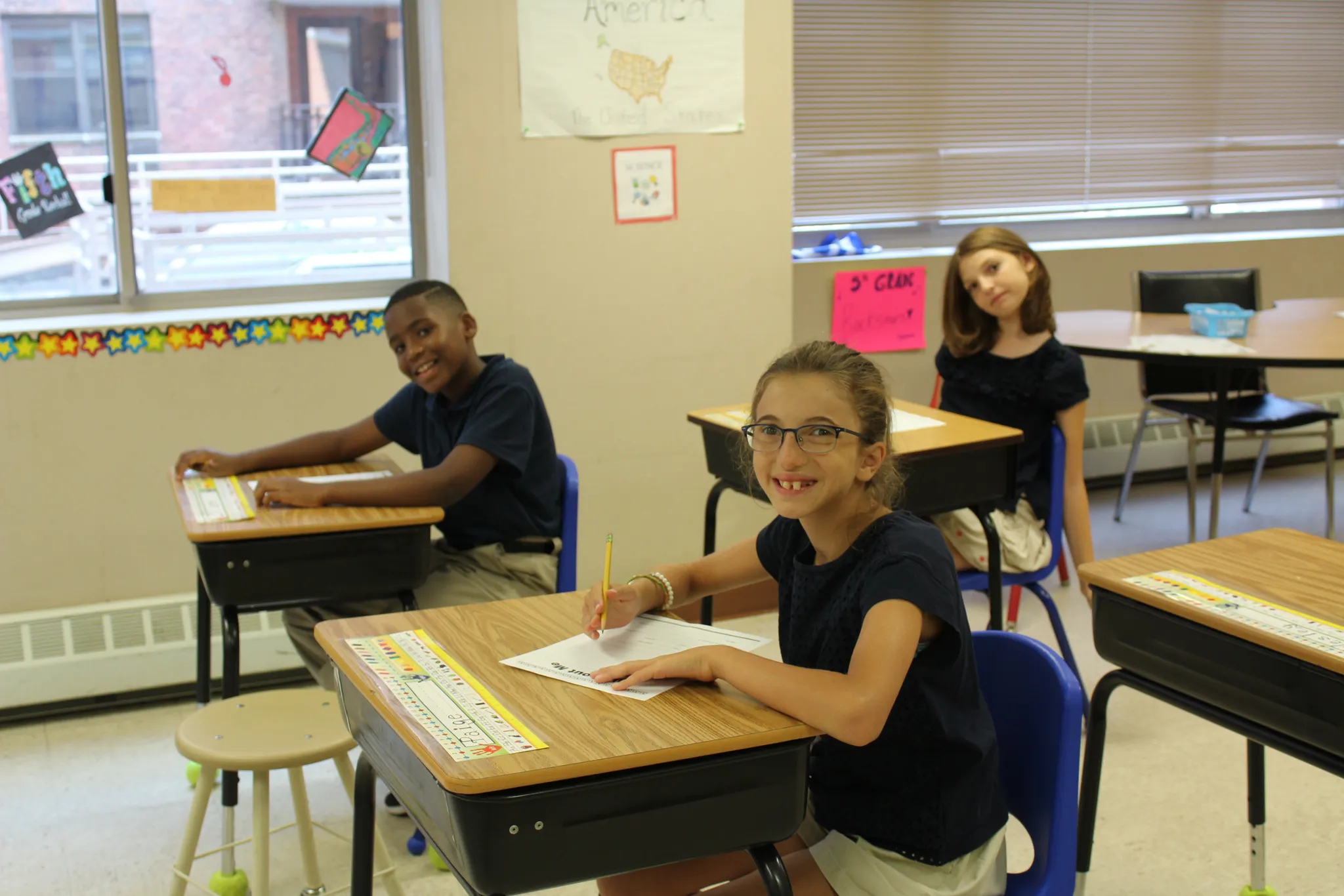
At Children’s Academy, our approach is rooted in early and individualized support, evidence-based practices, and facilitating access to communication throughout their school day. A dedicated Speech-Language Pathologist (SLP) integrated into the classroom environment allows students to receive:
- An SLP co-teacher in all ELA/Literacy classes to reinforce the foundational speech and language skills needed to become successful readers and writers.
- Real-time communication support during everyday moments of play, learning, and interaction.
- Expert, hands-on guidance tailored to their speech, language, and social needs
- Self-advocacy support to build confidence, connection, and a strong foundation for lifelong learning.
Language Skills
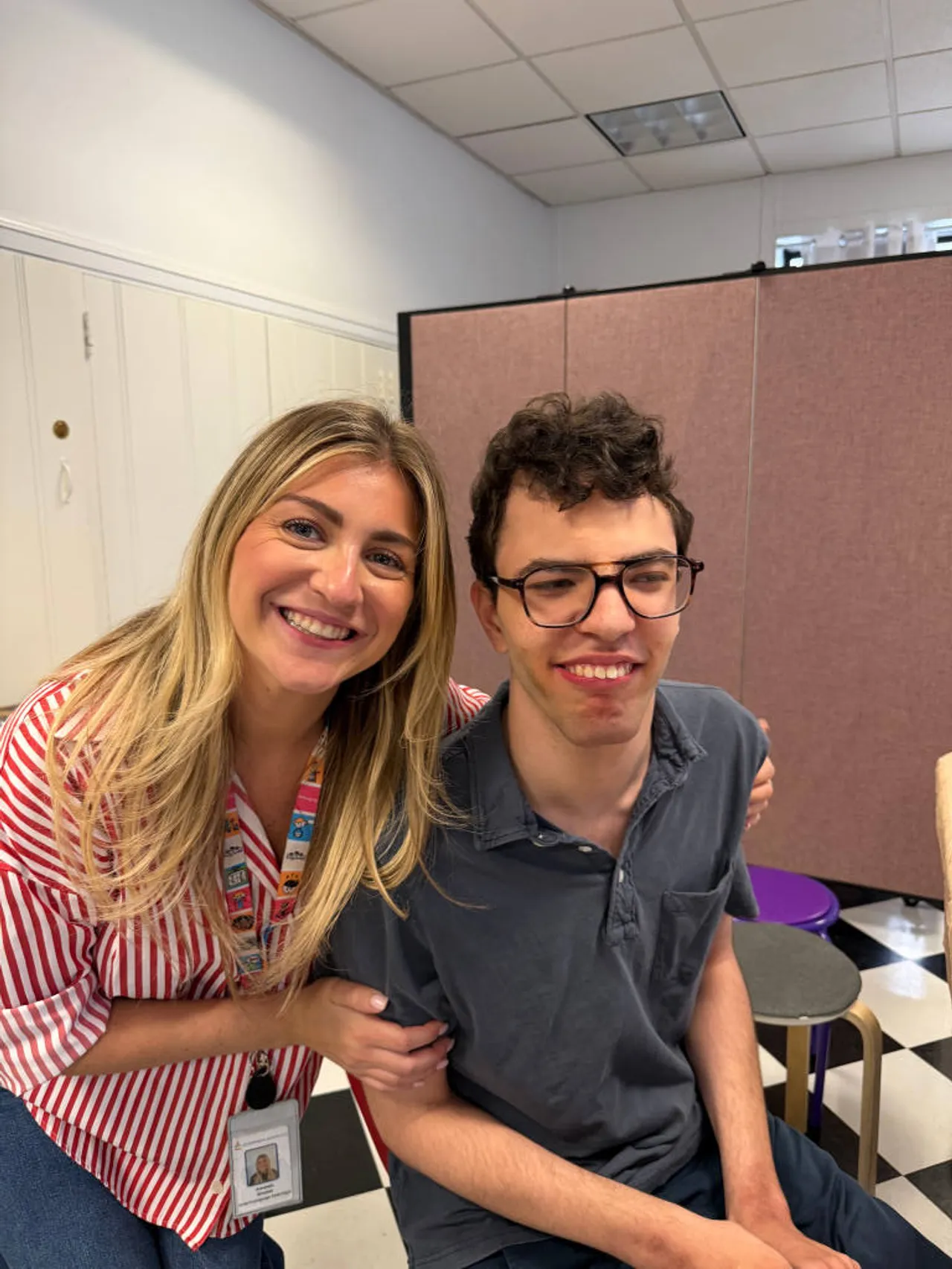
Led by a Speech-Language Pathologist (SLP), Language Skills is a daily 30-minute group focusing on building students’ language and comprehension skills. Each session begins with a structured read-aloud of an age-appropriate picture book, which serves as a springboard for targeted language practice, with tools to support comprehension such as:
- guided discussion
- visual supports
- interactive activities
- songs, crafts, and group movement
Social Group
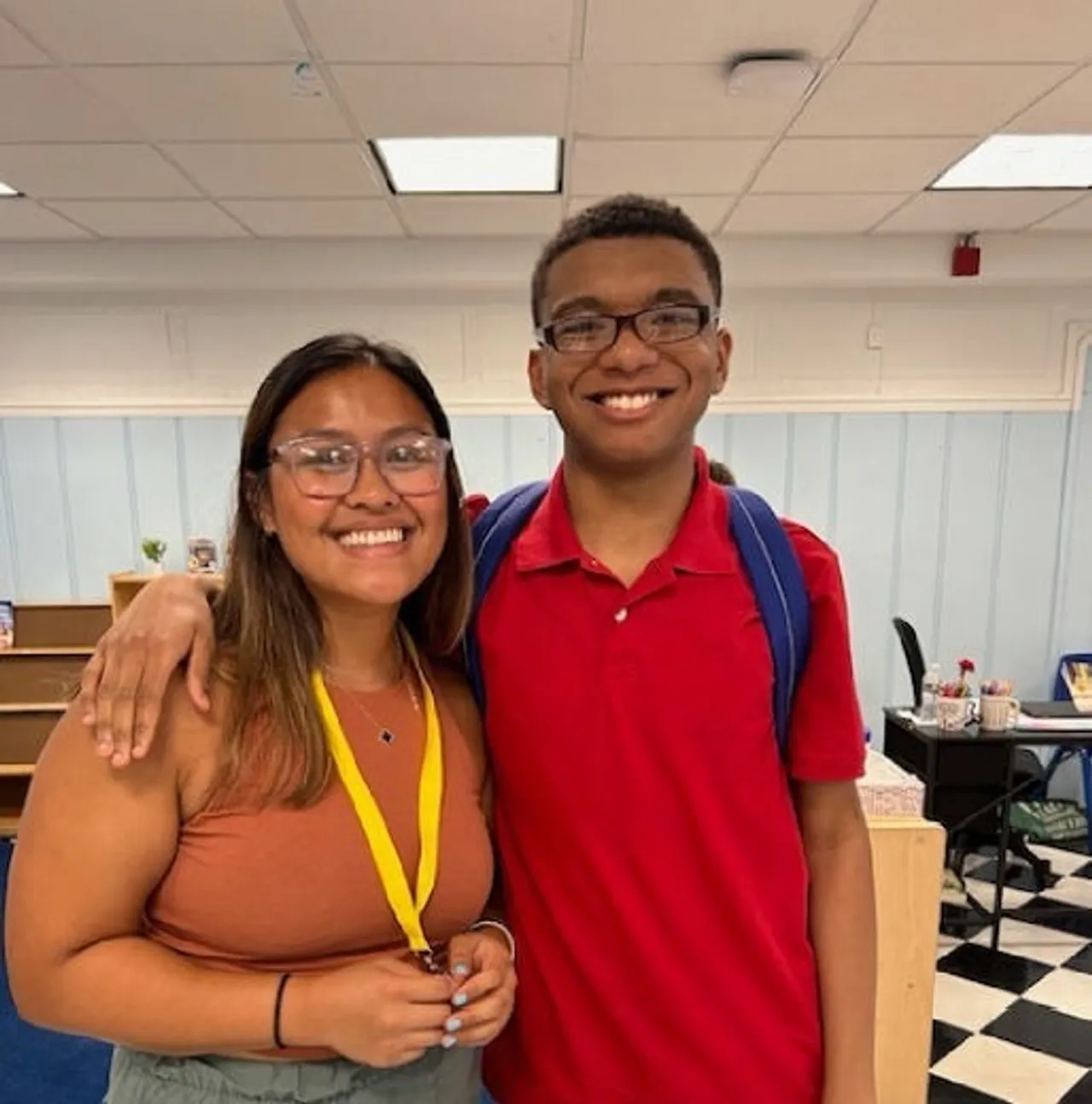
Lower school students also participate in a daily 30-minute Social Group, led by a Speech-Language Pathologist, designed to support students’ executive functioning and social language skills.
Students participate in activities centered around a monthly theme. These activities are designed to promote interaction, collaboration, and flexible thinking. The SLP provides in-the-moment language models and explicit instruction when appropriate, supporting students as they navigate play, conversations, and problem-solving.
All types and stages of play are welcomed and encouraged, so that every student can participate in ways that reflect their needs and preferences. The goal is to foster authentic peer connections, build confidence in social settings, and help students spend the session feeling successful and supported.
As our students transition to middle and upper school, our approach shifts toward empowering students to take ownership of their learning and personal growth. We facilitate communication and peer interaction in more functional, real-world settings that encourage independence and critical thinking. Our dedicated team remains integrated within the classroom and works closely with each student to develop practical skills in communication, social skills, and self-advocacy, ensuring they can navigate both academic challenges and daily life with confidence. By fostering independence through personalized, hands-on support, we help our students build a strong sense of self and prepare them for success in life after CA.
Highlights of our middle and upper school program include:
Group Speech and Language Sessions
In the middle and upper school, students may be grouped in a dyad or group speech and language session once per week. Group sessions pair two or more students who have been thoughtfully matched based on their communication profiles, social language goals, and personal interests. These small, focused sessions are designed to support students as they build social communication skills in a more naturalistic, peer-to-peer setting.
Students work on goals such as perspective-taking, conversation skills, flexible thinking, sharing preferences and dislikes, making thoughtful compromises and negotiations, self advocacy, and interpreting social cues. Activities are structured to encourage authentic interaction, while also allowing space for reflection. By working in dyads, students benefit from individualized attention while also learning to navigate the nuances of social communication with a peer.
Social Skills Lunch Support
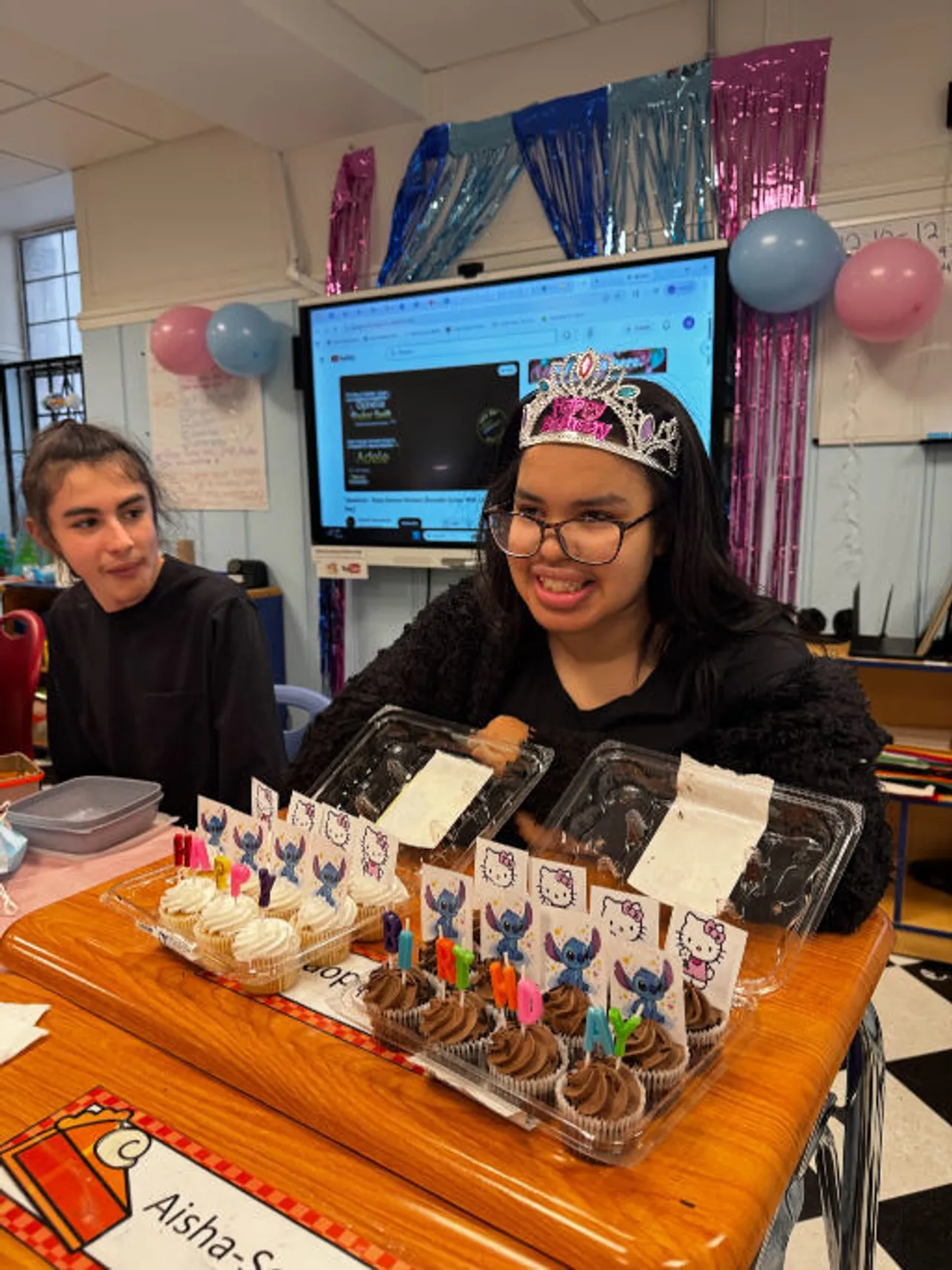
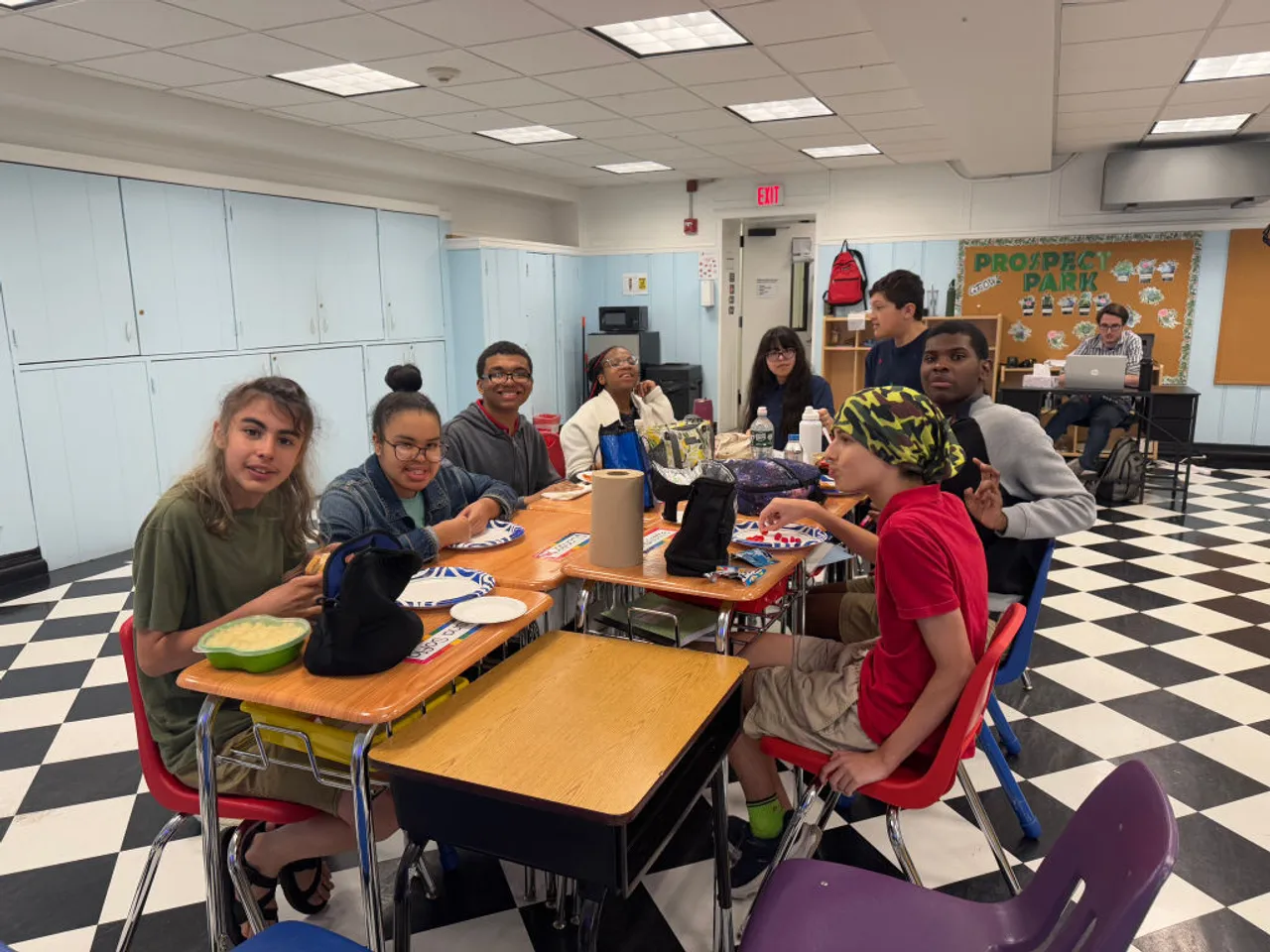
Social skills sessions are embedded into the school day through daily lunchtime groups facilitated by the homeroom Speech-Language Pathologist (SLP). These sessions provide a structured but relaxed environment where students can practice real-time social communication in a familiar and functional setting.
Emphasis is placed on conversational skills, perspective-taking, social problem-solving, and navigating group dynamics in a way that feels natural and age-appropriate.
Twice a week, all homeroom groups are encouraged to come together for “Lunch Club,” a larger group experience that simulates a traditional cafeteria setting. This allows students to generalize their social language skills in a more dynamic environment, with opportunities for peer initiation and interaction across a broader social network.
The goal is to help students build confidence and competence in everyday social situations by creating consistent, supportive, and natural opportunities to connect with peers.